March 2026
To Hire or Not to Hire

| Background checks are a critical part of the hiring process, helping employers determine whether a candidate is the right fit for their workforce. This month, we’re covering how these reports influence hiring decisions and what employers may want to consider before taking adverse actions. |
Report ResultsWhen you review a background check and everything looks great, the decision is easy. However, sometimes the results of a report might create doubt or cause you to want to disqualify a candidate. Before taking adverse action, it’s important to clearly define those concerns and ensure they align with your organization’s policies. A background check can show you if someone has a serious criminal conviction or if they lack the required employment, education, credentials or licenses they need for a position. Before denying employment or taking any other adverse action based on these findings, employers are required to comply with applicable federal and state laws. |
The Second Chance MovementIn addition to federal laws like the Fair Credit Reporting Act, there is a nationwide movement to help people with minor criminal records move forward and re-enter society. Employers should review and follow laws that are in effect wherever they operate. When considering an adverse action, best practice for hiring managers is to evaluate whether the results of a report truly warrant that action and to understand the person must be given an opportunity to share their side of the story. |
|
Pre-Adverse ActionAn employer’s first step is to send the candidate a pre-adverse notice. Various states have additional requirements regarding what must be included with that notice, such as a list of events from the background check that prompted the notification. |
|
DisputesAfter sending a pre-adverse notice, employers are guided to wait a “reasonable” amount of time to allow the recipient to review and potentially file a dispute. Candidates may file a dispute if they believe a record in the report was incorrectly associated with them or there are mitigating circumstances, such as rehabilitation efforts, that should be addressed. While Backgrounds Online has measures in place to ensure all information provided in a report is current and accurate, errors can happen down the data supply chain. If a dispute is filed, employers must pause the adverse action process until the background check has been reinvestigated. Our team prioritizes these efforts and strives to swiftly complete dispute reinvestigations in as timely a manner as possible. |
The Reinvestigation ProcessWhen a dispute is communicated to our team, we return directly to the source of the record to review potential inaccuracies. We’re sure to always maintain an open line of communication with both the employer and their candidate to keep everyone up-to-date with the status of the reinvestigation. Once the reinvestigation concludes, the findings are communicated to both parties:
|
|
Adverse ActionsOnce an employer has issued the pre-adverse notice, waited a reasonable amount of time and provided the opportunity for the candidate to review the findings, a final adverse notice is issued. This is the final notification to the candidate that due to the results of the background check, they do not meet the employer’s requirements. Similar to pre-adverse, final adverse notifications may also require additional documents or details based on your location. |
|
CollaborationAt Backgrounds Online, we are your partner throughout the hiring and screening process. We strive to help your organization connect with strong candidates who will provide value to your business. This advanced level of synergy creates a positive experience for everyone. Applicants have the best opportunity to find the right role, while our clients are offered a helping hand in developing a clean and efficient screening process. |




Newsletters
-
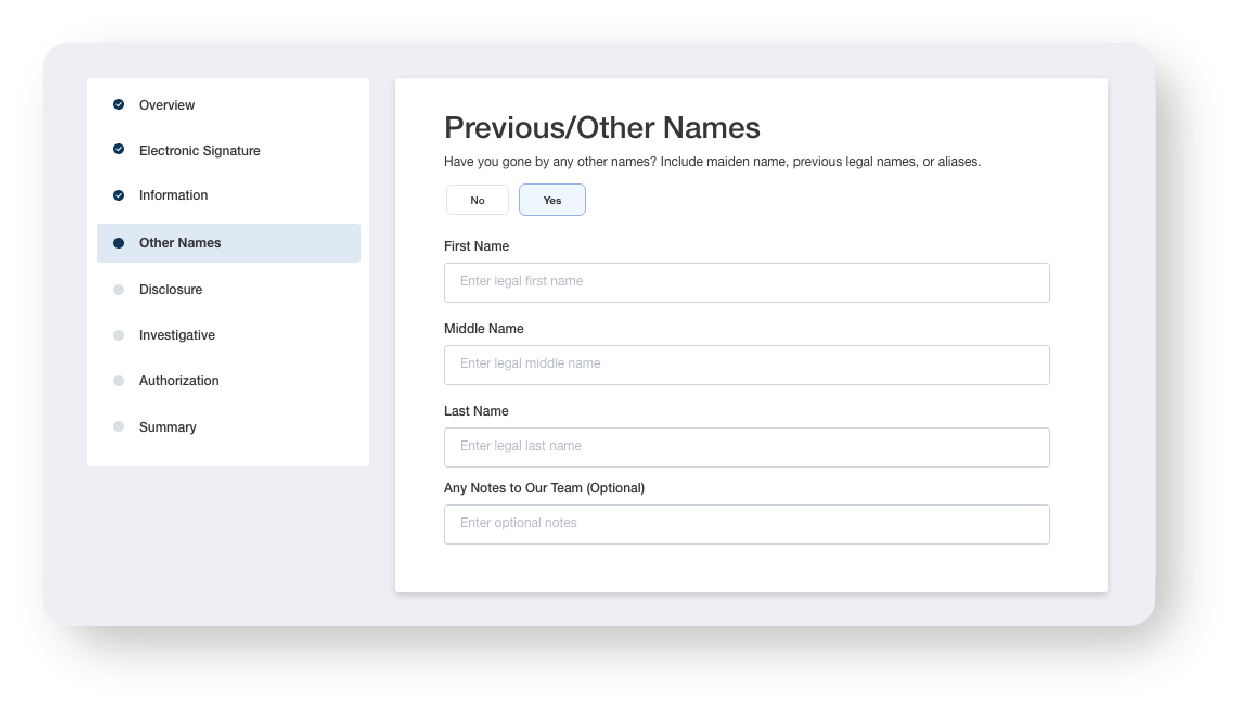 September 2026What’s in a Name? A Cleaner Screening Experience
 -
 August 2026Considering Adverse Actions
 -
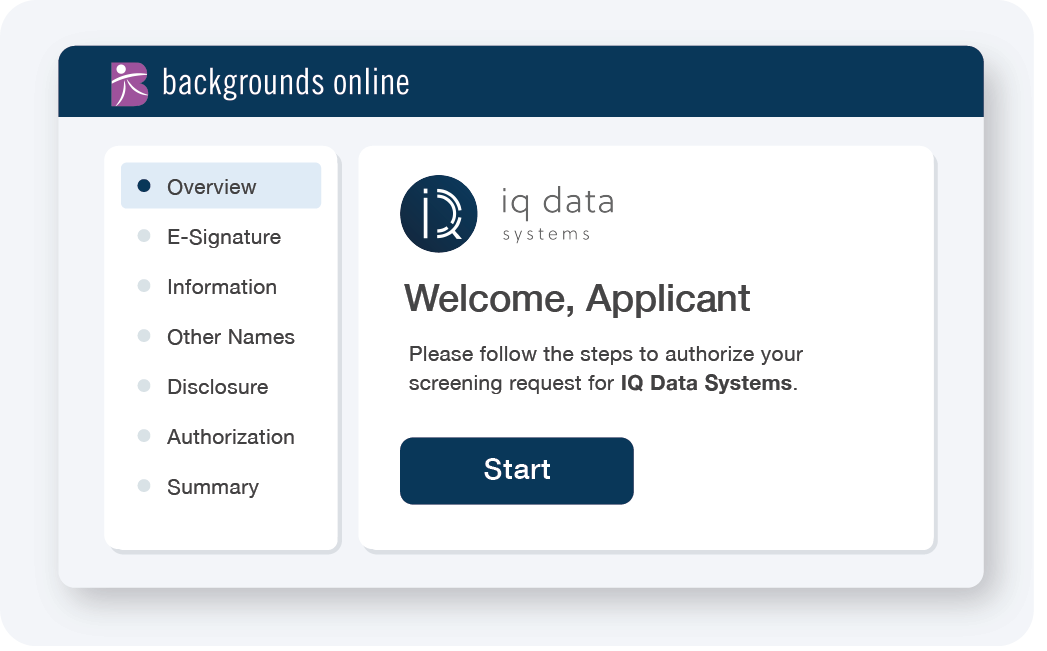 July 2026Optimized Ordering
 -
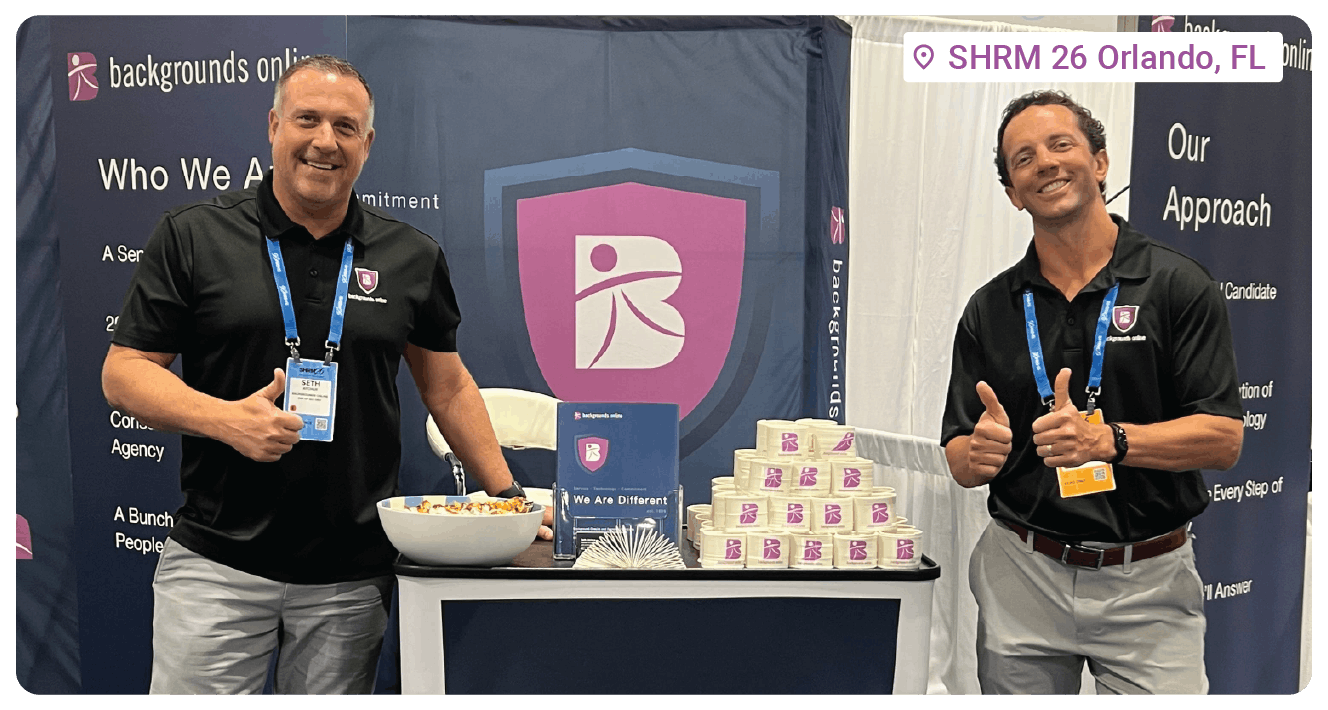 June 2026We Attended SHRM26
 -
 May 2026Advanced Identity Verification Technology
 -
 April 2026Hiring: Finding Certainty In An Uncertain World
 -
March 2026To Hire or Not to Hire
-
 February 2026Are You Taking Advantage Of Our Integration Options?
 -
 January 2026Prepare For A Successful New Year
 -
 December 20252025 Recap
 -
 November 2025Backgrounds Online Named a Top Screening Company In 2025
 -
 October 2025A Collaborative Approach to Screening